

Sleeping when sick and achieving quality rest can be challenging. Illnesses including the common cold and flu could leave us with a stuffy nose and other symptoms which make getting some shut-eye harder than usual. But despite these challenges, sleep becomes more essential when we’re sick. It gives our bodies a chance to recover and fight illness.
Not getting enough rest can lengthen our recovery time and make it harder for our bodies to recuperate. Research suggests that it may even make us more vulnerable to getting sick. Listed below are some tips and information about sleeping when you’re feeling under the weather.
Why Is Sleep Important When You’re Sick?
Our health is linked to sleep in more ways than one. Sleep helps our body repair itself while aiding our recovery. It’s one of the reasons why we’re advised to get proper rest when we get a vaccine or when we aren’t feeling well.
Not getting enough can also make us more susceptible to cardiovascular diseases, high blood pressure, depression, and heightened reactions against inflammations and infections. These ailments are all manifestations of our physiological response to stress.
To give your body a better shot at fighting illnesses, aim to get the recommended hours of sleep, especially when you’re sick.
Why Do You Feel Sleepy When You're Sick?
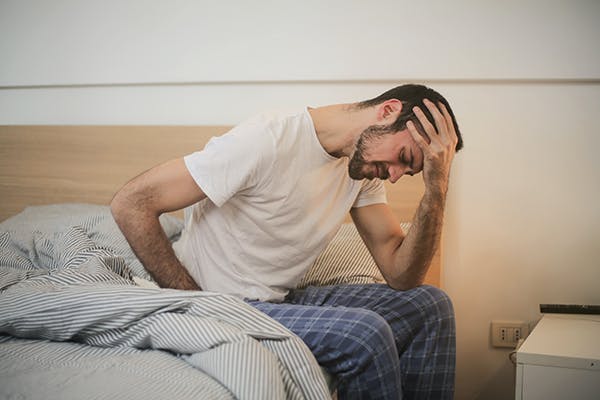
Sleep helps our body jump into repair mode as it tries to keep us healthy, ward off viruses, soothe inflammation, and give it the strength it needs to fight an illness. This function operates at its peak when we’re sick, forcing us to take a step back from our normal routine and let our body take its time to heal.
Many scientists believe that feeling sleepy is a survival mechanism that our bodies undergo when our cells and bodies experience stress. Though the exact reason for the heightened tendency to sleep is still unexplained, an important study in 2017 used worms to try and explain the phenomenon. In short, they found the release of certain neurons and neuropeptides sent signals between neurons in the brain that triggered sleep.
Because sleep plays an important part in our recovery, it’s best to give yourself the opportunity to rest.
How Does Sleep Help Our Immune System?
How does sleep help our immune system fight diseases? Cytokines, a protein in our immune system, are intercellular messengers released by our body when we doze off. Its primary function is to regulate inflammation, thereby strengthening our immune response.
Fever is a built-in response that gets activated when we come in contact with a virus or bacteria.
It’s important to note that our immune system requires energy to function. When we’re up and about, we use up our mental and physical energy. When we’re asleep, this energy is directed to our immune system and aids in recovery.
How Much Sleep Do You Need When Sick?
While it’s harder to wake up feeling refreshed when you’re ill, you need more sleep hours so you can fight off the disease that’s putting your general wellness at risk.
How many hours of sleep do you need? That depends on multiple factors like your health, activity levels, and most importantly, your age.
Generally:
When sick, you should strive to get the recommended hours of sleep for your age, if not an hour or two more.
How To Get Better Sleep When Under the Weather
Do you have trouble dozing off because of your sore throat, coughs, colds, fever, or nasal congestion? Try these tips for better sleep:
Conclusion
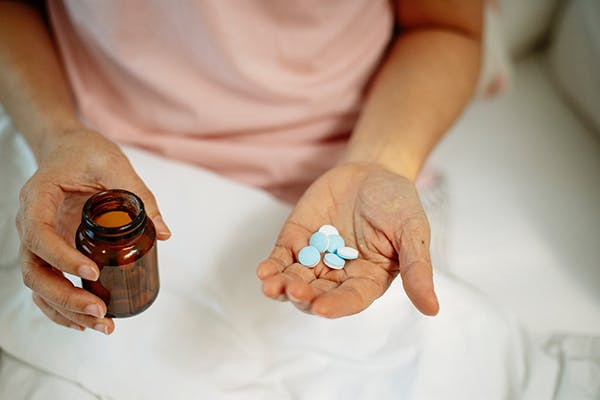
Sleep is indispensable for a healthy body and recovery when we’re sick. To give yourself the best chance for fighting illnesses: eat a well-balanced diet, keep yourself hydrated, practice good sleep hygiene, and take over-the-counter medicines or sleep aids to help you get the rest you need. By following these tips, your body will be able to put up a good fight come flu season.


