

The COVID-19 pandemic impacted the world in ways we never even knew possible. Millions of people worldwide began working from home. Others lost jobs. Meanwhile, children and parents made the transition to remote schooling. Additional uncertainties about health and safety and when things may return to normal only added to the chaos. With that, it's no surprise that we also started to experience trouble falling asleep.
Can't Sleep? COVID-19 Could Be To Blame
In the summer of 2020, the term "COVID-somnia" was coined to characterize the impact of the global epidemic on people's sleep. Data from around the world indicated that a huge section of the population was having difficulty falling asleep, which was thought to be a consequence of the severe and long-term worries brought on by the pandemic, such as economic and health problems and psychological pressure of isolation.
Like food and oxygen, sleep is a basic human necessity, and most adults require around seven hours of sleep per night. Without it, we may feel like we are having trouble making decisions, feel lethargic and have our reaction times slowed down, and become less tolerant of social conflict. Sleep deprivation also makes it more difficult for us to operate around other people. If you're having difficulties sleeping or sleeping well during the pandemic, you're not alone.
Insomnia and Sleep Disorders After COVID-19
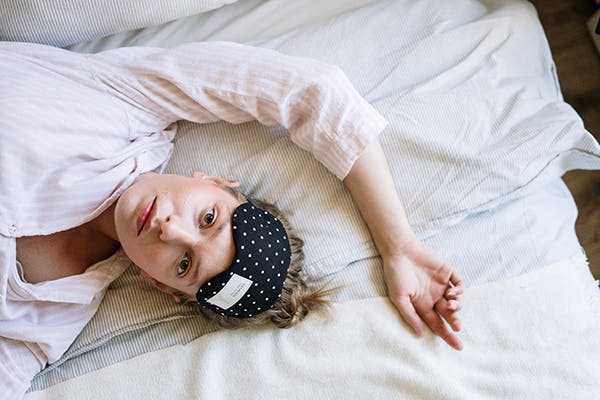
According to a recent study in the UK, the number of people who have chronic insomnia (a state of prolonged sleeplessness) has jumped from 16% to 25% since the pandemic began. Another report published in the American Academy of Sleep Medicine found there were around 3 million searches of the word "insomnia" in the United States during the first five months of 2020, up 58 percent from the same period just three years ago.
The rise in insomnia and other sleep problems can be attributed to increased stress worldwide. Uncertainties and the onslaught of information we experience only exacerbate the problem. Typical routines have been interrupted. The amount of activity we experience during the day varies. These changes have also introduced different sleeping habits, and they aren't exactly healthy.
The COVID Burnout
The pandemic is a major cause for concern and no one knows when, exactly, it's going to come to an end. As a result, we are now suffering from pandemic fatigue, also known as COVID burnout, and that has a huge impact on sleep. After all, being locked up in one place, switching to an online method of education, restrictions on large gatherings and public venues, and being unable to experience the "normal life" takes a toll.
The Curious Case of Coronasomnia
Coronasomnia is a portmanteau of the words corona and insomnia and refers to the persistent inability to sleep due to the stress or symptoms brought on by the COVID-19 pandemic. It is defined by a rise in sleep problems as well as anxiety, depression, and stress symptoms during the pandemic. While insomnia is frequently associated with anxiety and despair, coronasomnia is distinct from ordinary insomnia in that it is linked to the COVID-19 pandemic.
According to the British Sleep Society, just under half of the adults in the UK obtain "refreshing sleep" in 2020. Many people's symptoms of coronasomnia began or worsened during the pandemic. There are several reasons for coronasomnia, including the lack of a daily routine.
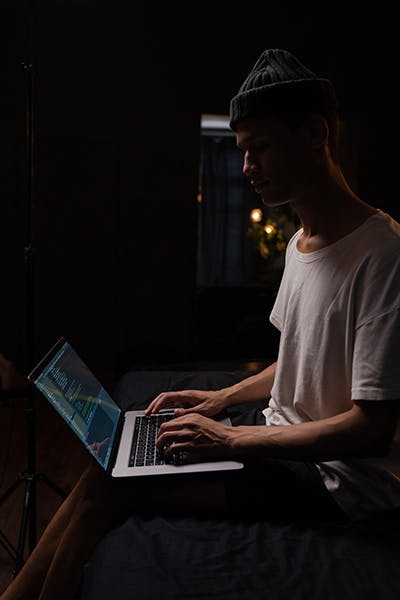
Plus, being cooped up in our homes for such long periods can disrupt our sleeping patterns. Sunlight and light exposure aid in the regulation of your circadian rhythm. And, because many of us still work remotely, some folks may work odd hours and sleep in during the day.
Working from home also has the disadvantage of blurring previously defined limits, with many workers reporting working long hours or unusual hours. We also miss our daily routine activities and friends, which are important outlets for stress relief. Many of us are dealing with mental health issues, which can exacerbate sleep issues or vice versa. Insomnia and other sleep problems can be exacerbated by our general sense of insecurity and lack of control, as well as the pandemic's protracted duration; what began as a "lounging around" phase to play computer games and hoard toilet paper has evolved into a semi-permanent setting for life.
Symptoms of Coronasomnia
All of this stress and lack of sleep can have a significant detrimental influence on your general health. Chronically sleep-deprived people have a weakened immune system, making them more susceptible to illnesses. This means that a lack of sleep weakens the body's ability to recuperate, weakening the immune system and making the individual more susceptible to disease. The following are some of the signs and symptoms of coronasomnia:
Various studies have revealed the elevated prevalence of sleeplessness and mental health disorders during the COVID-19 epidemic. Before the pandemic even started, there were around 24% of people experiencing sleep maintenance insomnia or trouble staying asleep. During the pandemic, the number jumped to 40%.
The prevalence of sleep-onset insomnia, or difficulty falling asleep in the first place, increased from 15% to 42% among those with the condition. Doctors believe that the number of persons suffering from sleeplessness has increased by 37% since the pandemic began.
During the pandemic, four out of ten people have experienced at least one mental health symptom. The number of people experiencing anxiety symptoms has risen since 2019. Levels of depression have quadrupled.
Medical professionals were concerned about the rising prevalence of sleeplessness and its impact on physical well-being even before COVID-19 and the extremely contagious Delta variation. Sleep scientists now consider levels of insomnia caused by COVID-19 a pandemic in and of itself.
Ways To Improve Sleep During the COVID-19 Pandemic
Conclusion
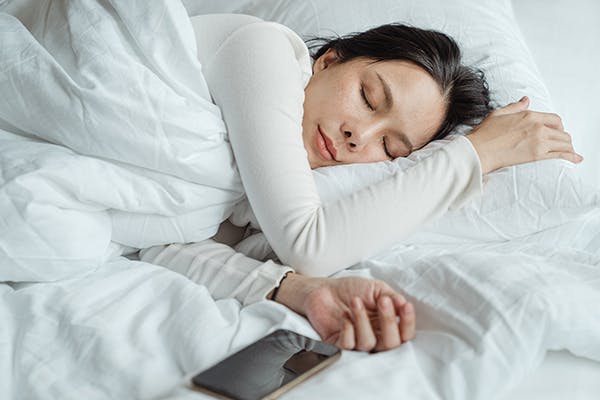
The consequences of COVID-19, and its effects on sleep, are likely to last for some time. Prioritizing sleep and your well-being, as well as appropriate nutrition, physical exercise, going to bed on time, and mental health care, will be critical in preventing burnout and weariness, as well as the risk of the virus's more severe side effects leading to poor sleep.
We're also are more likely to get sick when we are sleep-deprived. Getting enough sleep helps maintain inflammatory homeostasis and overall health. Chronic sleep deprivation lowers the body's defense system, making you more susceptible to viruses and other diseases. It can also lead to pandemic-related stress, after which you may experience insomnia.
Mindfulness and self-compassion have been shown to help with insomnia, possibly because these techniques focus on overcoming negative thoughts. Getting enough sleep can help you live a healthier, more stress-free life.


