

A peaceful night's sleep is the secret to day-long productivity. But, on some nights, no matter how hard you try getting a proper amount of sleep seems almost impossible. Often, the culprit is allergies, specifically nighttime allergies that cause nasal congestion, snoring, wheezing, and coughing that can be a nuisance to both you and your partner.
Why Do My Allergies Seem To Be Worse At Night?
Allergic rhinitis, aka allergies, affect up to 40% of people living in the US. An itchy throat, runny or blocked nose, swelling and watering of the eyes, and poor sleeping patterns are some of the most common symptoms faced by those suffering from this condition. These conditions generally aggravate at night. In fact, according to a study, people suffering from nighttime allergies are twice as likely to be patients of insomnia than those who do not suffer from this condition.
So, why do allergies get worse at home. For one, sleeping on your back stimulates the flow of postnasal drip into the throat, resulting in a tickling sensation in your throat. Nasal obstructions and runny nostrils are frequent among allergy sufferers and can keep you awake at night. The mucus that pools in our nose flows backward into the throat as we sleep. This can result in coughing, making it difficult to sleep. Allergens on the sleeping surface such as your bed can also cause itchiness all over the body, a condition known as nocturnal pruritus.
Many hormones regulate our sleep-wake cycle, which is responsible for bringing us in and out of the different states of rest and wakefulness. Some of these hormones also play a part in how our body reacts to the allergens in the environment. Certain allergy-regulating hormones drop as you enter deeper sleep phases, which may explain why allergies worsen at night.
Exposure to "trigger" items such as cat dander or dust mites irritates the nasal passages, resulting in unpleasant symptoms such as a congested or leaky nose, watery eyes, sneezing, and irritation around the mouth. These irritants, which can trigger our nighttime allergies, can be found in our mattresses and bedrooms. Dust mites and animal dander thrive in pillows and duvet covers, exacerbating allergy symptoms.
How Do My Nighttime Allergies Affect My Sleep?
When allergens enter your nose, they agitate your nasal passages, causing symptoms including a runny nose, sneezing, and watery eyes. These symptoms make it difficult to breathe and tend to get worse at night, which is one of the reasons why allergies frequently lead to poor quality of sleep.
Nighttime Allergies Also Affect Your Daytime Performance
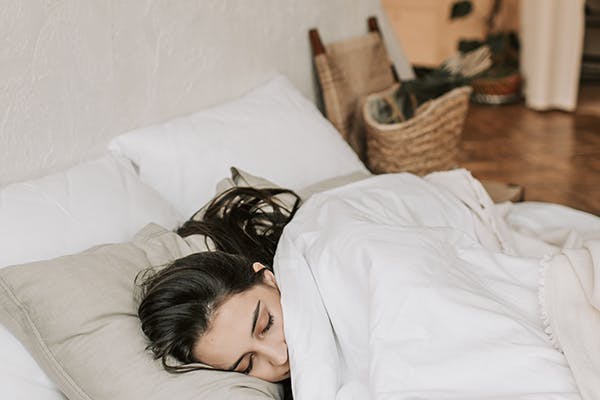
Your reaction to allergens in the night undoubtedly affects your quality of sleep which can contribute to drowsiness or even grumpiness the morning after. Allergies not only make it difficult to fall asleep but to stay asleep. Sufferers may wake up in the middle of the night with a stuffy nose, sneezing, or wheezing.
Because your body has not had the time to recharge, it does not perform at its very best and is prone to errors that can quickly show up in your daily tasks. Exhaustion from a lack of sleep can impact your performance at school or work and can have long-term detrimental effects on your overall well-being. Sleep deprivation also causes a spike in anxiety and stress and may even lead to bouts of unpleasant interactions with other people.
If you're sensitive to pollen, you might believe that sleeping indoors will keep you from sneezing and congestion. Leaving your windows open, on the other hand, allows pollen to enter your home easily. During the day, pollen builds on your clothing and hair, so when you lie down, you're spreading it to your bedding. If you have a pet that spends time outside, pollen can track inside your home and into your bed, particularly if they lie in yours.
This type of allergy-induced sleep deprivation accumulates over time, creating a vicious cycle that drives some people to rely on sleeping pills or other depressants such as alcohol to knock themselves out, which is never a smart option.
Can Allergies Cause Sleep Apnea Symptoms?
While allergies have not been scientifically proven to cause sleep apnea, they may aggravate any existing signs of the condition. Allergies, nasal passage irritation, and inflammation induced by airborne allergens can occasionally produce sleep rhythm disorders similar to sleep apnea.
Obstructive sleep apnea is a potentially fatal condition. In this condition, breathing is frequently interrupted and can even occasionally stop. This reduces the amount of oxygen available to your brain and body.
According to pediatric studies, allergens increase the risk of obstructive sleep apnea in children. Children with sleep apnea are more than twice as likely to develop allergic rhinitis as children without sleep apnea. Sleep deprivation can be especially harmful to children of growing age, resulting in missed days at school, behavioral issues, memory, and attention difficulties.
Can Rhinitis Cause Sleep Apnea?
Allergic rhinitis (allergy-induced nasal inflammation) can result in clogged nasal passages. This can lead to snoring and wheezing or even a more serious obstructive sleep apnea (OSA).
Allergic reactions are known to disrupt regular, healthy sleep cycles, in particular. Allergies cause nasal congestion, according to logic. Nasal congestion can dry out your mouth or restrict your airways, making it difficult to breathe. Both of these variables can cause "apneas," or pauses in breathing during the night, which are a symptom of obstructive sleep apnea (OSA). As a result, allergies and sleep apnea may be linked if your allergies keep interrupting your sleep frequently.
Allergies can also hurt our capacity to sleep well. Some allergy symptoms cause the tonsils or adenoids to enlarge, causing them to grow larger and potentially obstructing the airway.
These issues can result in more than simply a restless night's sleep. It was discovered that allergic rhinitis could disrupt an individual's sleep; the severity of disruption is proportional to the severity of the allergies.
How Sleep Apnea Affects A Person's Health?
Sleep disorders, particularly sleep apnea, can significantly impact one's standard of living and lead to severe health issues. The following are some of the effects:
Can Antihistamines Help With Sleep Apnea?
Patients with sleep apnea should also avoid over-the-counter sleep aids.
Over-the-counter sleep medications, including Benadryl, Tylenol-PM, and Advil-PM, might worsen untreated sleep apnea due to the increased muscular relaxation impact they provide. Antihistamines are used to treat allergies and can produce a calming effect on the individual taking the drug. These drugs can potentially make sleep apnea worse, which worries people who haven't had their sleep apnea properly treated.
Antidepressants such as Remeron and Oleptro should also be avoided as these drugs can aggravate sleep apnea symptoms. Consuming alcohol as a means to tire you out is also a step in the wrong direction. Alcohol calms both the mind and the body, similar to OTC relaxants. In addition, because alcohol relaxes the muscles of the throat, it exacerbates snoring and apnea. As a general rule of thumb, people with untreated or uncorrected OSA should steer clear of any drugs that cause muscle relaxation or numbness.
Can CPAP Help With Allergies?

Makers of CPAP masks and sleep apnea treatment gear have taken steps to help you avoid the complications that can arise when you have both sleep apnea and sinus problems. For example, if allergies make breathing through your nose a challenge, a full face mask is more likely to provide successful therapy than a nasal pillows mask. A complete face mask shields your mouth and nose, guaranteeing that you get air regardless of whether your nose is clogged or not.
How To Get A Good Night's Sleep When You Have Allergies
It's no secret that springtime can be the most difficult time for people with allergic rhinitis and nighttime allergies. Here are some simple ways you can manage your allergies and get a good night's sleep.
Conclusion
Allergens can aggravate nighttime allergies and even sleep apnea symptoms, but you can find simple solutions like eliminating pollen and dander from the house and using a CPAP machine. You can also look to natural sleep aids to help secure a goodnight's sleep. Sandland Sleep offers a series of sleep aids that contain natural hemp-derived ingredients. They are also powered by melatonin and have zero side effects, meaning you won't wake up feeling groggy.


